
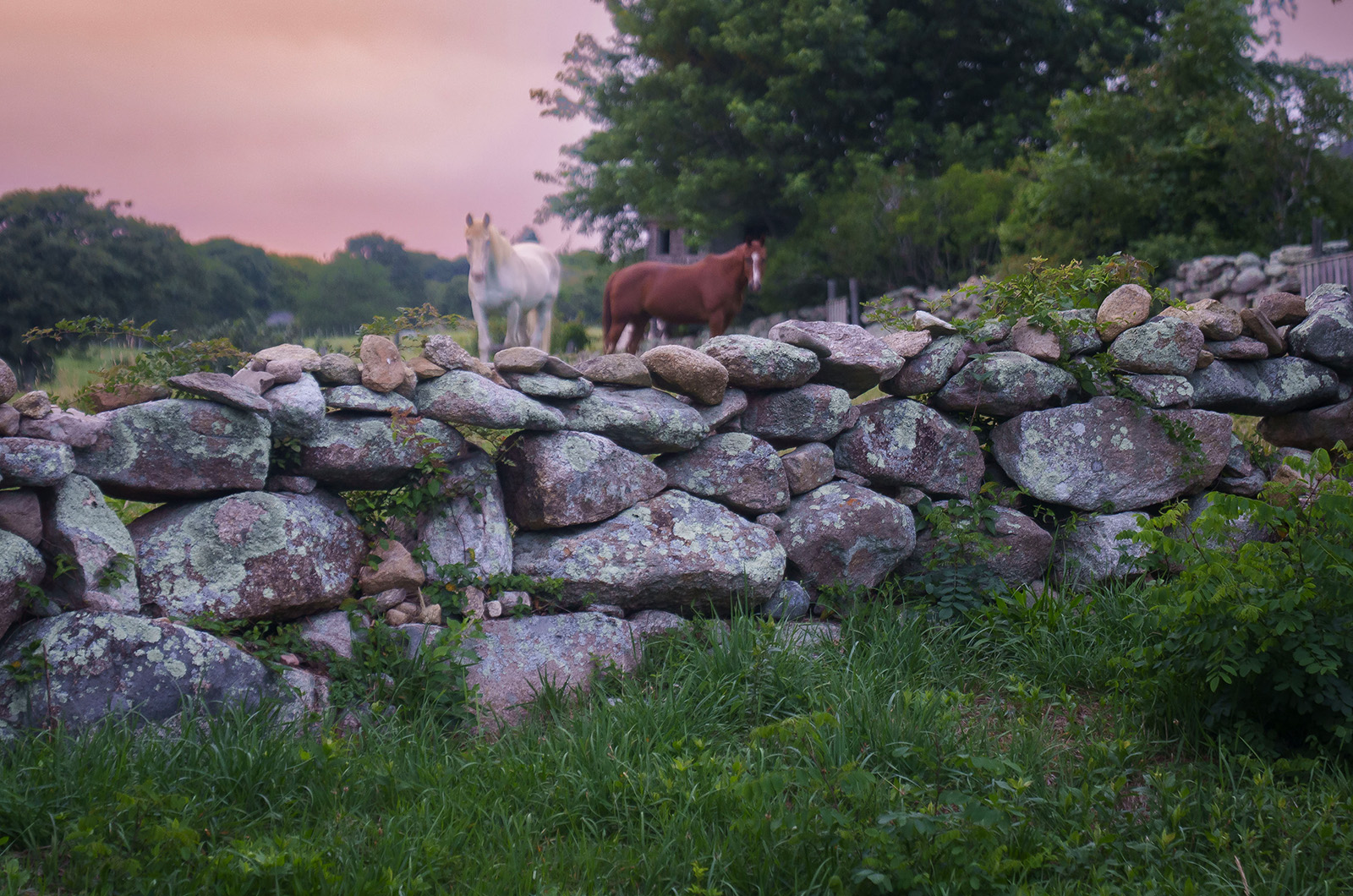
I live on Martha’s Vineyard, the epicenter of many recent news stories about the influx of tick-borne illnesses. Front page exposès about the epidemic of alpha-gal syndrome on the Island brought about by the lone star tick have replaced last year’s commemorative coverage of the 50th anniversary of the filming of Jaws. Fear of tick bites rather than shark attacks now dominates the conversation.
Martha’s Vineyard has a reputation for being a summer playground for the rich and famous, and while that is true, it’s not the whole truth. With a year-round population of approximately 20,000 people the Island is home to both young and old. Plumbers, electricians, landscape workers, doctors, nurses and teachers all call this place home. It is a vibrant community of diverse backgrounds from Wampanoag to African Americans, to Portuguese to washashores like me.
This summer as the epidemic of tick illnesses has taken hold of the Island there has been a significant change in many people’s behavior. Running across a lawn barefoot seems foolish rather than a rite of summer. People dress in clothing sprayed with permethrin and wear long sleeves and long pants regardless of the temperature. In spite of this vigilance the ticks persevere. Recently I went on a walk in the Polly Hill Arboretum with a friend. We both had on tick socks and wore our pants tucked in. When we finished our walk we were greeted at the visitor center by the docent with a lint roller to make sure we were tick free. Despite our best efforts a day later we each pulled a tick off ourselves.
No longer feeling free to relax out in nature is indeed a serious blow to my soul, but it also has consequences for our community. Like lead in the water in Flint, Mich. and the forest fires out West, the very fabric of our lives is being altered. Those who are suffering from alpha-gal syndrome have to alter their diets and carry an epi pen at all times to protect against anaphylactic shock.
Part of the pleasure of living in New England comes from embracing the change in seasons. As a psychologist I often emphasize to my patients the importance of getting outside. Being active and being in nature is a natural balm for anxiety and depression. Witnessing the beauty of fall foliage or feeling the exhilaration of summiting a mountain can bring perspective to even the most stubborn of mood disorders. A glorious sunset is indeed manna for the soul.
In Francis Weller’s book The Wild Edge of Sorrow he discusses Five Gates of Grief, one of them being The Sorrows of the World. He reflects on the diminishment of natural habitats and urges us not to look away, but rather to acknowledge the assault on our environment and band together to find solutions. As Martha’s Vineyard wrestles with the very real devastation brought on by the tick epidemic I see signs of a community coming together. Restaurants list alpha-gal options on their menus and clothing treated with permethrin is readily available to purchase. Many of us have changed what and how we cook so our friends with alpha-gal feel welcome at our table. Governor Healey of Massachusetts has visited the Island and proposed hunting legislation to help deal with the overpopulation of deer which exacerbates the proliferation of ticks.
The ticks don’t distinguish between the rich or the poor, the young or the old. This epidemic is in our midst and once we bring our best resources to eradicate it we can help other communities who are in the early stages of a tick explosion. Action, not judgment, is needed if we are going to enjoy the wonder of being in nature again.
Maggie Mulqueen lives in West Tisbury.



Comments
Comment policy »