
Vineyard officials are eyeing bans on the sale of a drug that has drawn health concerns as its popularity grows in the U.S.
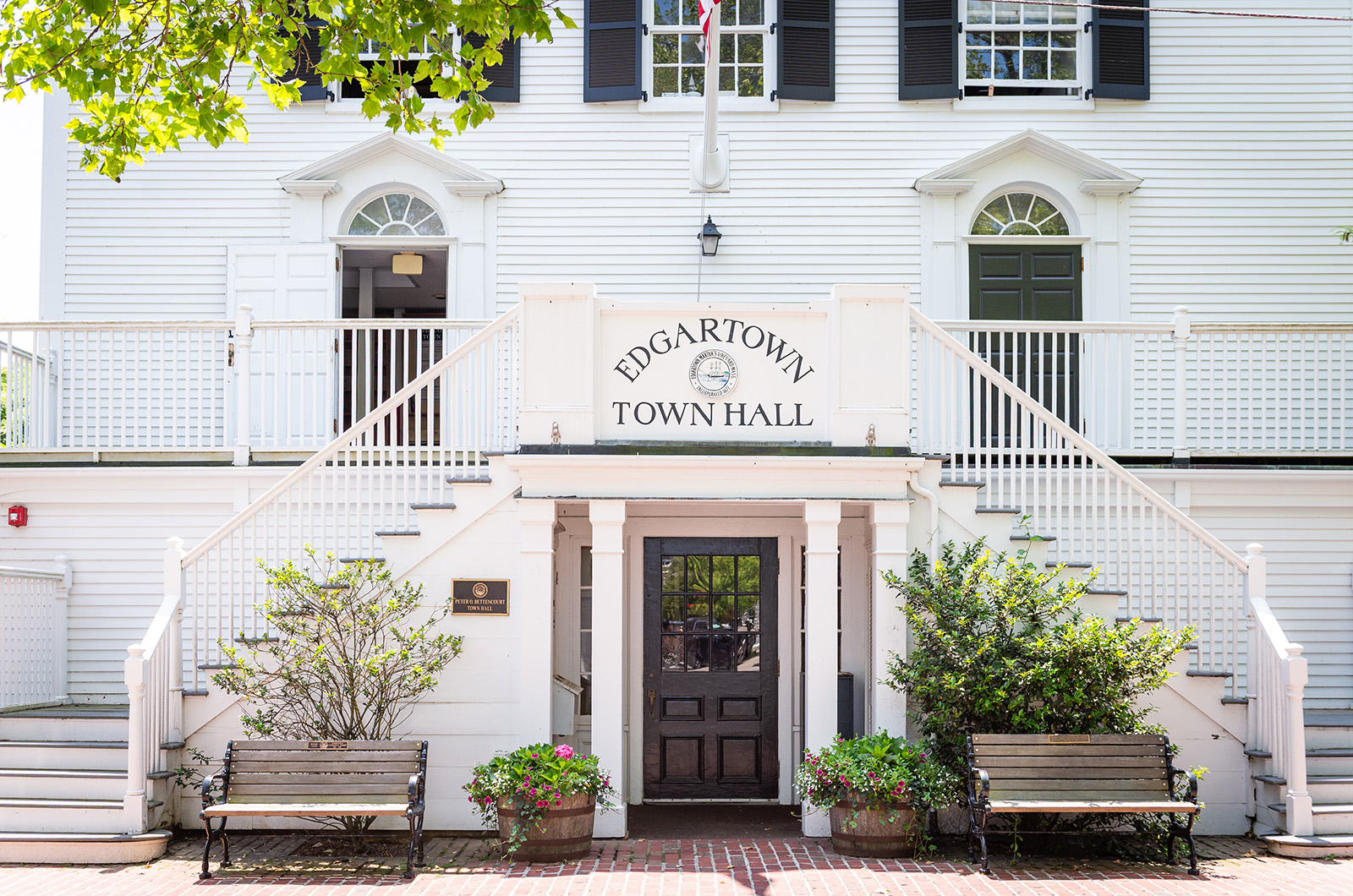
Kratom, a substance that is often sold in gas stations and convenience stores on the mainland, has come to the attention of the Island boards of health in recent months. Responding to the potential adverse health effects, the Edgartown board of health voted to ban the sale of the drug on Tuesday.
Other towns are also considering bans, with the hopes of creating a singular regulation across the six towns.
“Our first job is to protect our community, so we have to start there, always,” said Gretchen Regan, a member of the Edgartown board of health.
Derived from the Mitragyna speciosa tree that is native to Southeast Asia, kratom has been historically used as a stimulant and reliever of muscle strains by chewing on its leaves. The synthetic version, though, has raised concerns.
“[T]here has been a recent explosion of adulterated synthetic products derived from the isolated kratom compound 7-OH (7-hydroxymitragynine),” Edgartown health agent Brice Boutot wrote to the Gazette in an email.
According to Mr. Boutot, at least a dozen towns throughout Massachusetts have adopted legal municipal restrictions on the sale and distribution of the substance, both synthetic and natural. Synthetic kratom products are 13 times more potent than morphine, wrote Mr. Boutot, who added that the substance can cause nausea, itching, sweating, dry mouth, constipation, abnormal heart rate, vomiting, drowsiness, loss of appetite, insomnia, psychosis, seizures and has also been linked to overdose deaths.
Kratom in its natural form has been used to treat opioid withdrawal but, at the moment, the substance, and its synthetic derivative, are not federally regulated.
“The FDA has not approved kratom for any medical use, and has issued alerts and warning letters on its potentially detrimental effects,” said Mr. Boutot. “The DEA has listed kratom as a drug of concern and has considered scheduling it as a controlled substance.”
According to a report published by the Foreign Policy Journal, a digital publication covering politics, current affairs and business in the United States, it is estimated that 15 million Americans consume the substance in some form. Additionally, in 2015 the Drug Enforcement Agency (DEA) looked to list kratom as Schedule I substance, which would put it on par with other drugs such as heroin, LSD, marijuana, MDMA and psilocybin, but the notice was withdrawn after six weeks leaving the sale and distribution of the substance in a legal gray area.
Indonesia is the largest supplier of the leaf to the U.S., according to the Foreign Policy Journal, and the country sought to restrict exports of kratom in 2024, but enforcement of the policy was delayed.
Other towns on Martha’s Vineyard are expected to adopt similar regulations.
“This is something that we’ve been working on, discussing together to make sure our regulations are consistent Islandwide,” said Drew Belsky, the Tisbury health agent, who added that a public hearing was scheduled for July 7 to discuss issues pertaining to the sale and distribution of the substance.
Advocates for the substance argue that the synthetic form distracts from potential benefits linked to the natural drug, but without federal regulations, synthetic forms of the drug can circulate with ease.
“The leaf itself doesn’t have any age restrictions on it, and the synthetic that is sold in gas stations across the country has colorful packaging that could catch the eye of younger people looking for something new,” said Mr. Belsky.
Often the synthetic derivative is marketed as a natural substance; however it has been found to be significantly more potent than the substance harvested from the tree.
The ban on the sale and distribution of kratom in Edgartown went into effect on June 9.




Comments (2)
Comments
Comment policy »