

Island voters last week approved the largest public building project in Vineyard history when they signed off on the $333.5 million regional high school upgrades.
The funding passed in a landslide in all six towns, setting a clear mandate for the project, which will renovate a large portion of the existing building and add a new two-story classroom wing.
The additional cost to the taxpayers though will shift the calculus for towns come budget season, and already has some officials wondering if they need to downsize capital projects to keep town finances from rising even further.
“It’s a large chunk of change,” Chilmark town administrator Tim Carroll said. “How could it not?”
Towns with large-scale projects in the wings are expecting the need to gauge voter appetite in the coming years for taking on more debt. Some of the municipal needs are as dire as the school project, and potentially can’t be put off, leaders said.
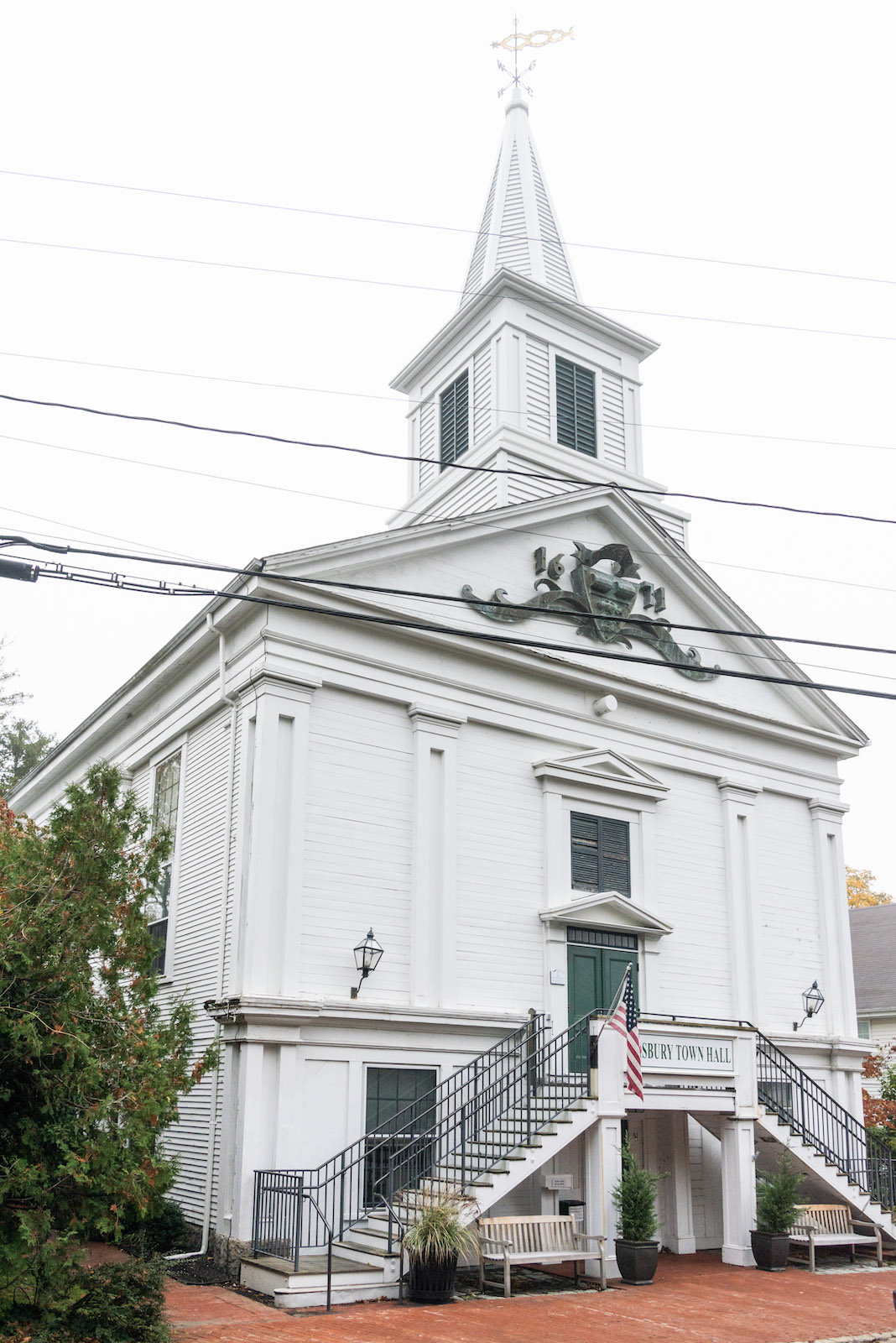
Replacing the town hall has been a priority in Tisbury, given the Spring street town building’s moldy and aging state. The town had planned to put a warrant article to the voters this spring that would have asked for funding for a new building, but it was pulled to make way for the school project.
The town has since been considering cheaper alternatives.
“We have to do something,” said Tisbury finance committee chair Nancy Gilfoy. “But how we are going to afford to do that is up in the air so far.”
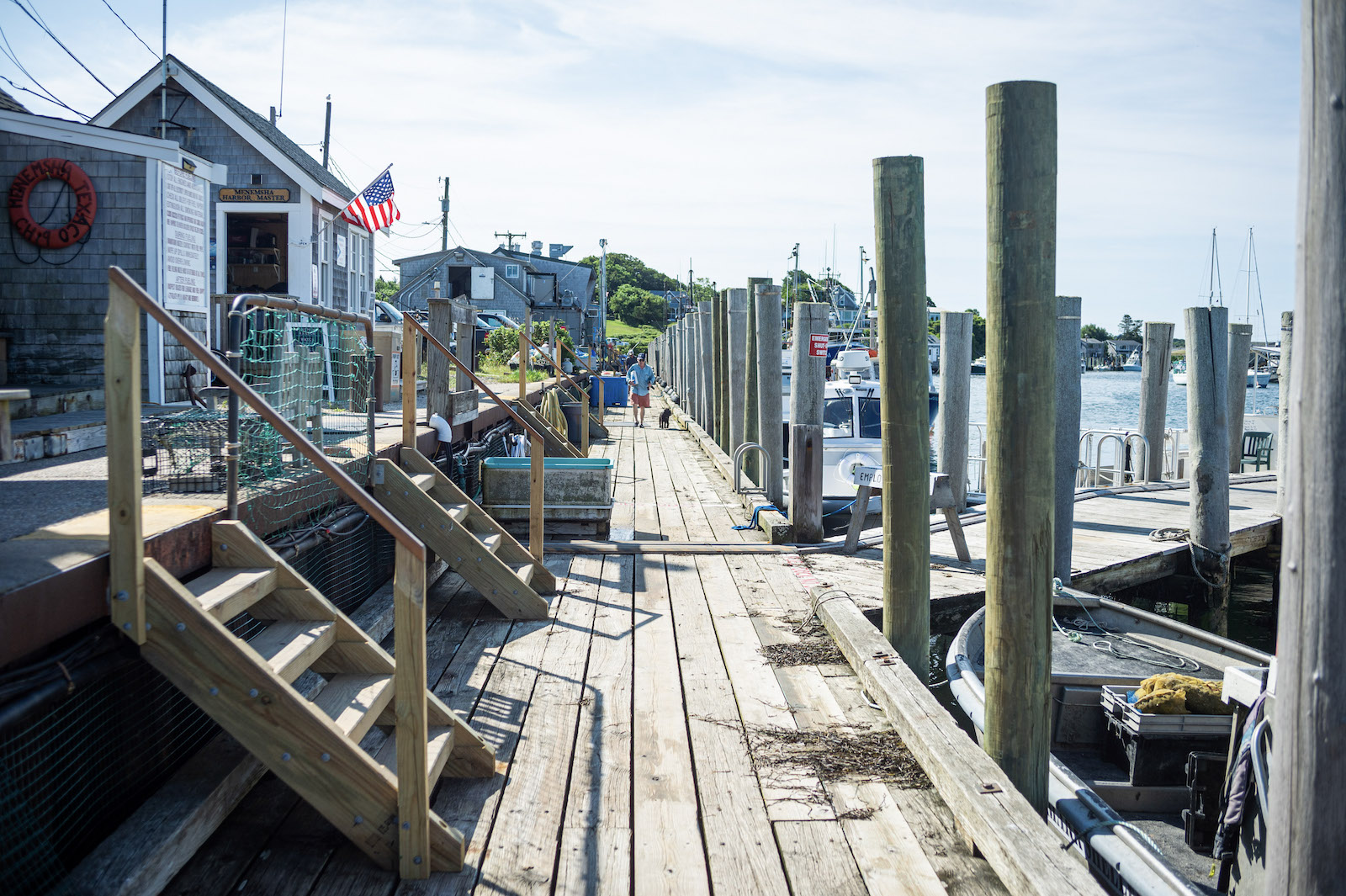
Chilmark will be considering the best way forward on two costly items: the cheaper renovation of Menemsha’s commercial docks or a full replacement, and the long-gestating Peaked Hill Pastures housing project.
Those are both costs residents will now have to decide on, while taking into account the town’s share of the high school expenses.
“You have to look at these things,” Mr. Carroll said.
Town administrators and other officials said the cost of the school, which is expected to total about $256 million after grants, isn’t a surprise, and has been on their minds for months. In Edgartown, town administrator James Hagerty said the town needs to continue to rank any capital projects for the next five to ten years, and keep a priority list.
Some of the large issues in Edgartown are the deteriorating council on aging building, a need to bolster the waterfront for sea level rise and upgrades to the town’s wastewater infrastructure.
Most of these need to be done at some point, and all likely before the school bill is paid off by 2062.
“Unless you’re going to put it off for the next 30 years, there’s no way to put it off,” said Mr. Hagerty.
Mr. Hagerty said he couldn’t remember a large project garnering as much support as the high school, so it’s something that the voters are willing to bear, even if it will be costly. To help, Edgartown is considering the institution of a residential tax exemption, a strategy used by towns to keep the cost down for year-round residents.
The exemption shifts some of the tax burden to non-resident property owners, and has been used in several Vineyard towns and other resort communities. Edgartown has not had one in the past, and Mr. Hagerty said listening sessions to talk about the pros and cons are expected in the coming months.
Some towns don’t have any large looming capital projects, but that doesn’t mean they won’t feel the effects of the school costs in the coming years.
All six Island towns voted to override Proposition 2 ½ in order to keep up with the everyday costs of running a municipal government and schools this year. West Tisbury is trying to avoid needing another one, especially given the cost of the school, but inflation is making that difficult, said town administrator Jen Rand.
“[The school debt is] going to impact how the town makes decisions for years to come,” she said. “What those decisions look like, we don’t know yet.”
Municipal leaders said it is too early to say exactly what will need to be tightened, and what could change to keep costs down, but it’s something that just about every town will need to deal with.
“You have to reconsider everything that we are doing and come up with a long-term plan of how you do everything,” said Oak Bluffs select board member Mark Leonard. “It’s always been there, and now that it’s a reality it sinks in.”





Comments
Comment policy »