
Oak Bluffs will soon be able to tap into a new funding source to help pay for wastewater projects after voting this week to become the first Island town to opt into the Cape Cod and Islands Water Protection Fund.
The town select board voted unanimously on Tuesday to join the fund, which was established in 2018 to help the Cape and Islands deal with their looming wastewater problems. Town officials said joining the fund could provide more cash to tackle the degradation of the town’s ponds and provide a boost for the development of housing.
When the meeting ended, board members and representatives of the town’s wastewater commission exchanged congratulations and feelings of pride about taking a significant step in wastewater management.
“Whether we were ever going to make this vote or not is a different issue, but just qualifying for it in the first place is such an achievement,” select board member Emma Green-Beach told the Gazette Thursday.
As part of the short-term rental tax legislation passed under the Baker administration, the fund allows the Vineyard, Cape Cod and Nantucket to collect an additional tax of 2.75 per cent from vacation rentals and hotels in order to finance projects that minimize nitrogen seeping into nearby bodies of water.
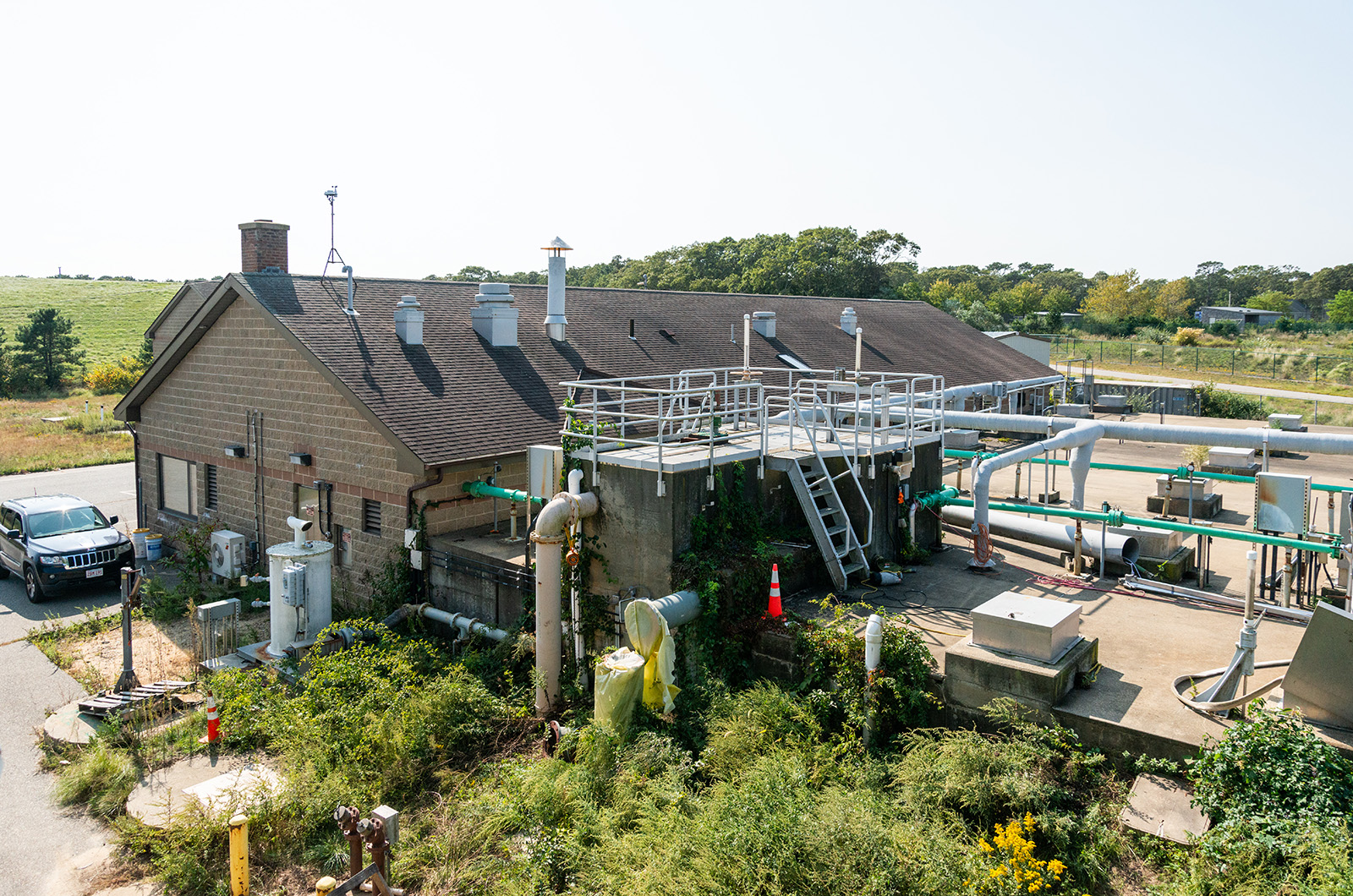
Wastewater has been one of the largest issues facing Oak Bluffs, which is currently working on upgrades and expansion to its treatment facility.
Although all 15 Cape towns are members of the fund, Vineyard municipalities have been hesitant to join. The Cape’s wastewater woes are much more significant than the Island; towns there were ordered to make changes after a federal lawsuit against the U.S. Environmental Protection Agency.
Revenue from the 2.75 per cent rental tax flows directly into the fund, and a board made up of representatives from member towns decides on where to direct the money.
In April 2025, the fund management board awarded more than $100 million to 14 different projects across 10 Cape Cod towns. Oak Bluffs hopes to collect $17 million in subsidies to fund projects outlined in its comprehensive wastewater management plan, such as sewering and expansion of treatment systems.
Oak Bluffs became eligible to join the fund in December of 2024, after completing the plan.
During Tuesday’s meeting, a few select board members were concerned that joining the fund would affect Oak Bluffs’ appeal among tourists. They worried that, faced with an extra 2.75 per cent fee on rental costs, visitors might turn to towns such as Edgartown where the tax doesn’t apply.
“This still could affect the competitive environment,” select board member Bill Cleary pointed out.
A few homeowners in Oak Bluffs shared the board’s hesitation. Though she doesn’t currently rent out her home, Hester Agudosi worried that the new tax would inhibit her from doing so.
“As an owner, I am concerned about anything that’s going to be assessing fees or taxes,” she said.
Cassandra Bowler with the town’s wastewater commission attempted to allay their concerns.
“It’s going to be $80 a week,” she said of the added rental cost. “That’s not enough to sway the needle. If someone wants to be in Oak Bluffs during film fest, during Illumination Night, it’s where their family is — they’re not going to go to Edgartown.”
Joan Talmadge, co-owner of the rental management company We Need a Vacation, has seen the short-term rental tax play out on Cape Cod over the last six years. There have been no major shifts.
“Vacationers have gotten accustomed to it,” she told the Gazette on Thursday. “We haven’t seen any significant change in the desirability of Cape Cod.”
During the board meeting, Ms. Bowler added that collecting extra money from visitors rather than residents makes sense given the effect of tourism on local waters.
“The influx of the tourists tends to be to the detriment of the ponds,” she said.
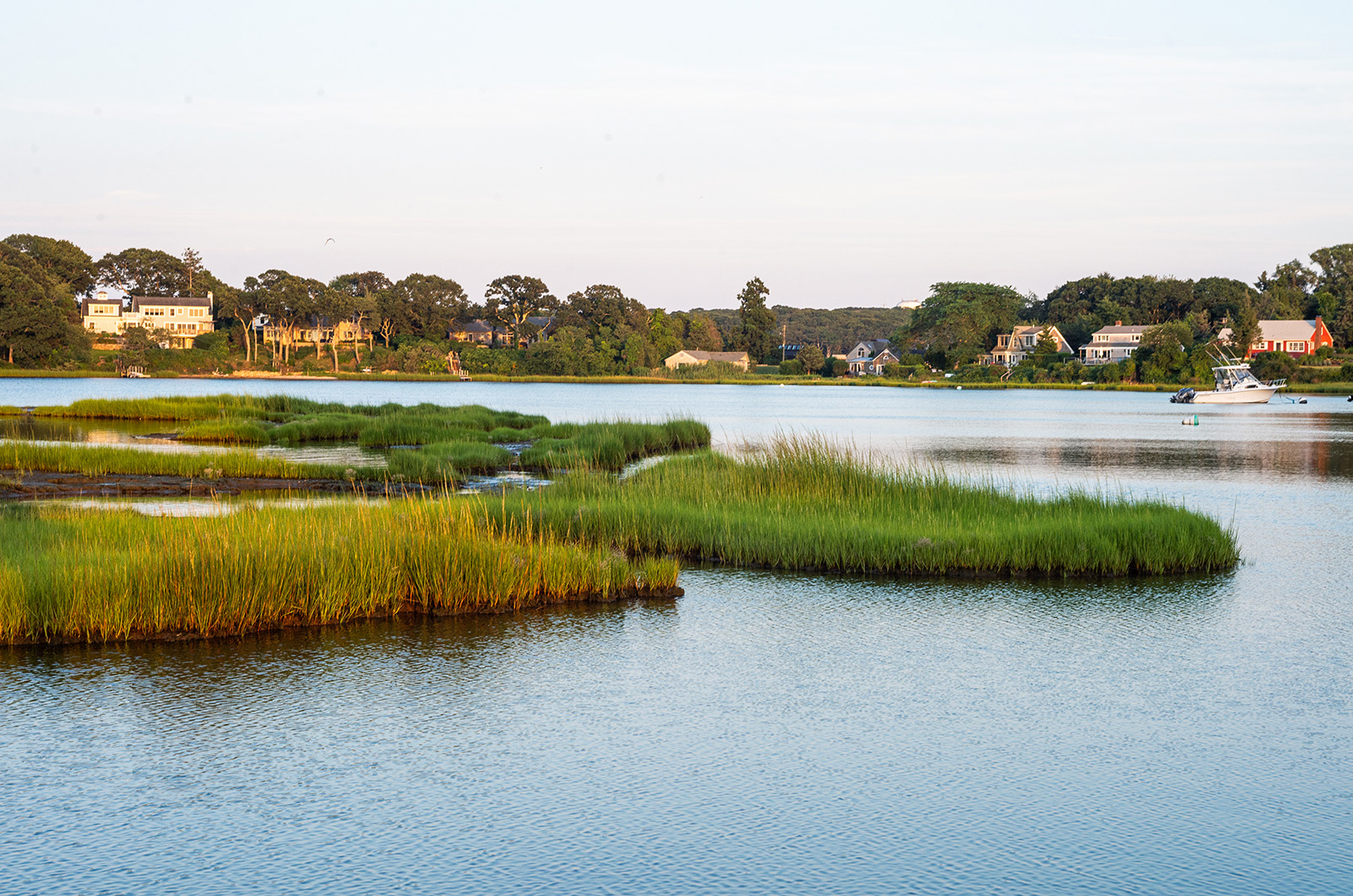
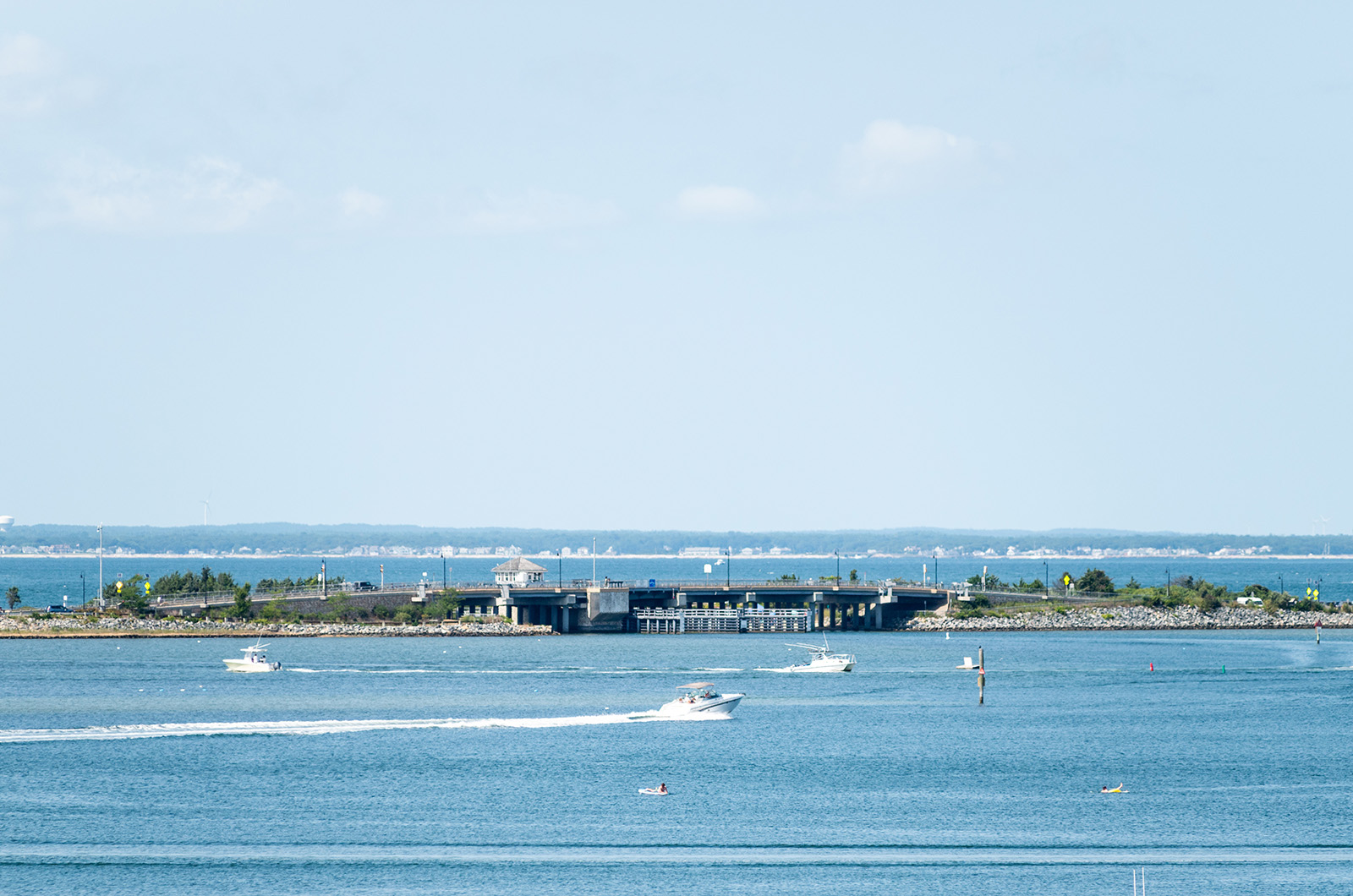
Nitrogen is the primary culprit of pond degradation, as excess amounts travel from septic systems into nearby bodies of water. Lagoon Pond in particular has suffered due to areas of built-up sediment — a side effect of rebuilding the drawbridge in 2015. With uneven sand distribution clogging up the lagoon, overabundant nitrogen has nowhere to go, and the pond’s ecosystem begins to deteriorate.
Ms. Green-Beach spoke to her own feeling of responsibility in wastewater management, though she herself doesn’t live in an immediately affected area.
“If we don’t invest in cleaning up the lagoons, there will be economic consequences for absolutely all of us as our waterways get more impaired,” said Ms. Green-Beach, who works with the Martha’s Vineyard Shellfish Group. “If it’s making sure that it’s helping the ponds, then that’s my best interest.”
The town recently took out a $23.3 million loan for phase one of their wastewater treatment plant renovation, half of which will be paid for by the town of Oak Bluffs. The town hopes to have 25 per cent of the principle covered now that it has joined the fund, equating to about $6 million of funding for the project overall and $200,000 worth of savings on the first payment.
Though the vote to join the water protection fund was unanimous, the board decided to postpone additional discussions and votes about Oak Bluffs’ role in funding future wastewater projects. The board will also later discuss the implementation of the tax.
Select board chair Dion Alley pointed out the importance of hearing community members’ perspectives before making financial decisions for them. Ms. Bowler agreed, adding that the wastewater commission plans to bring the issue to the public.
In her closing remarks, Ms. Bowler emphasized the close correlation of Vineyard water health to the well-being of the entire Island.
“It’s important to everyone, not just the people whose pipes connect to the source,” she said. “We can’t grow without it.”
State Sen. Julian Cyr, creator of the Water Protection Fund, commended the town of Oak Bluffs for its commitment to addressing the wastewater crisis.
“This vote represents a major step forward in our plan to modernize our infrastructure and preserve the coastal ecosystems that define the Island,” he said.





Comments
Comment policy »