
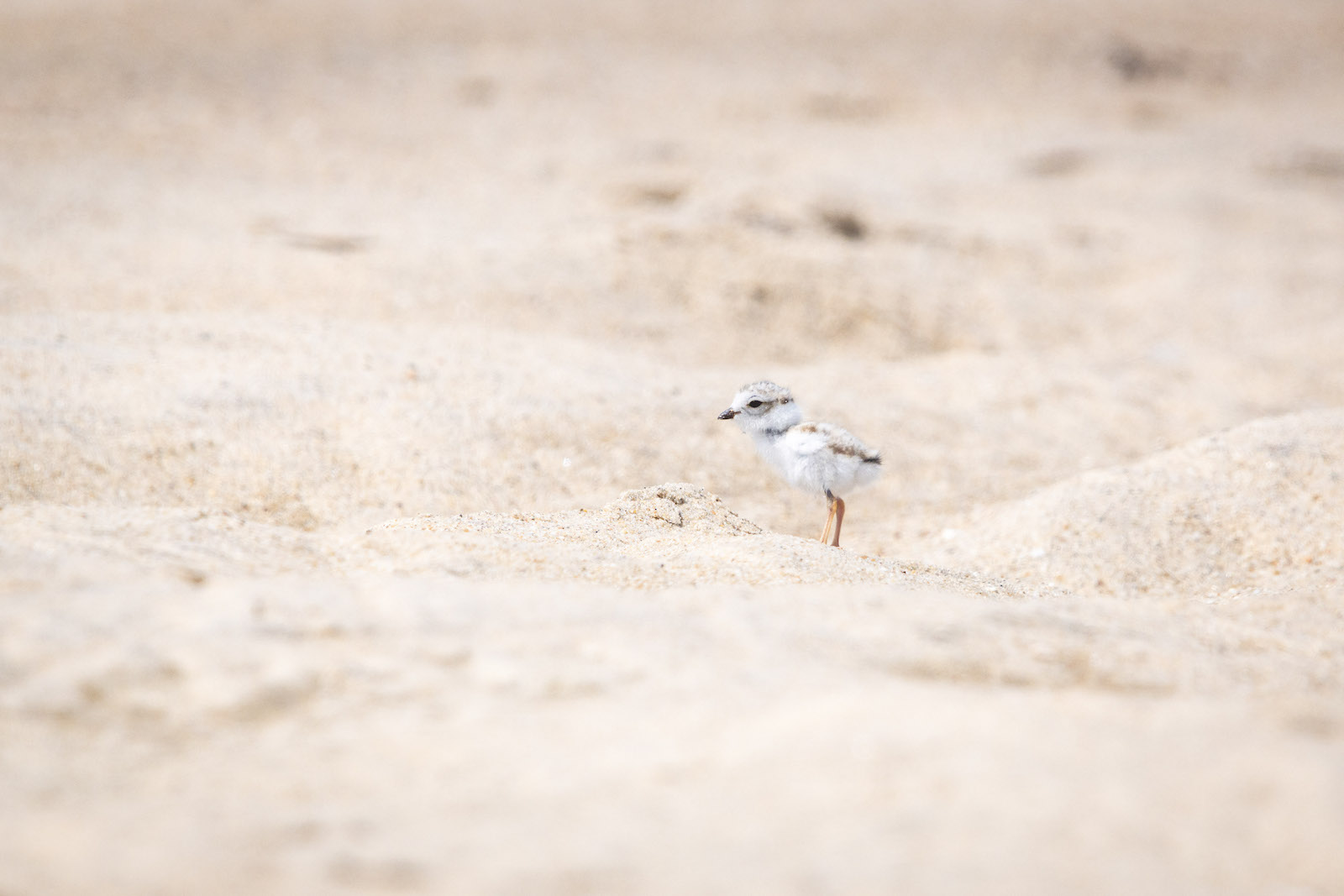
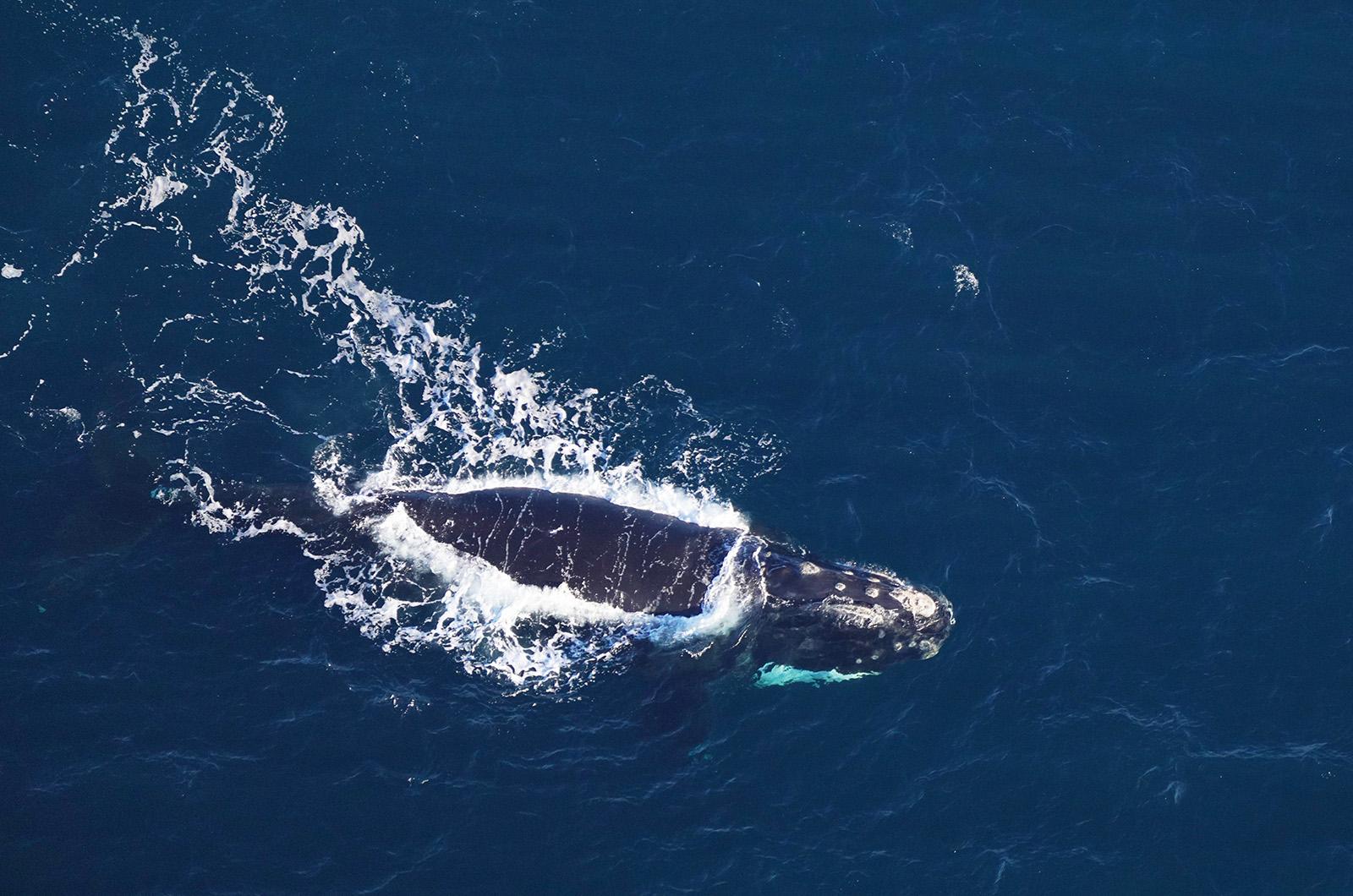
Martha’s Vineyard and Massachusetts conservationists fear that changes to the federal Endangered Species Act could threaten piping plovers, right whales and other endangered species that frequent the area.
Last month, the Trump administration rescinded the long-standing definition of “harm” under the 53-year-old landmark legislation that has helped bring several species back from the brink of extinction.
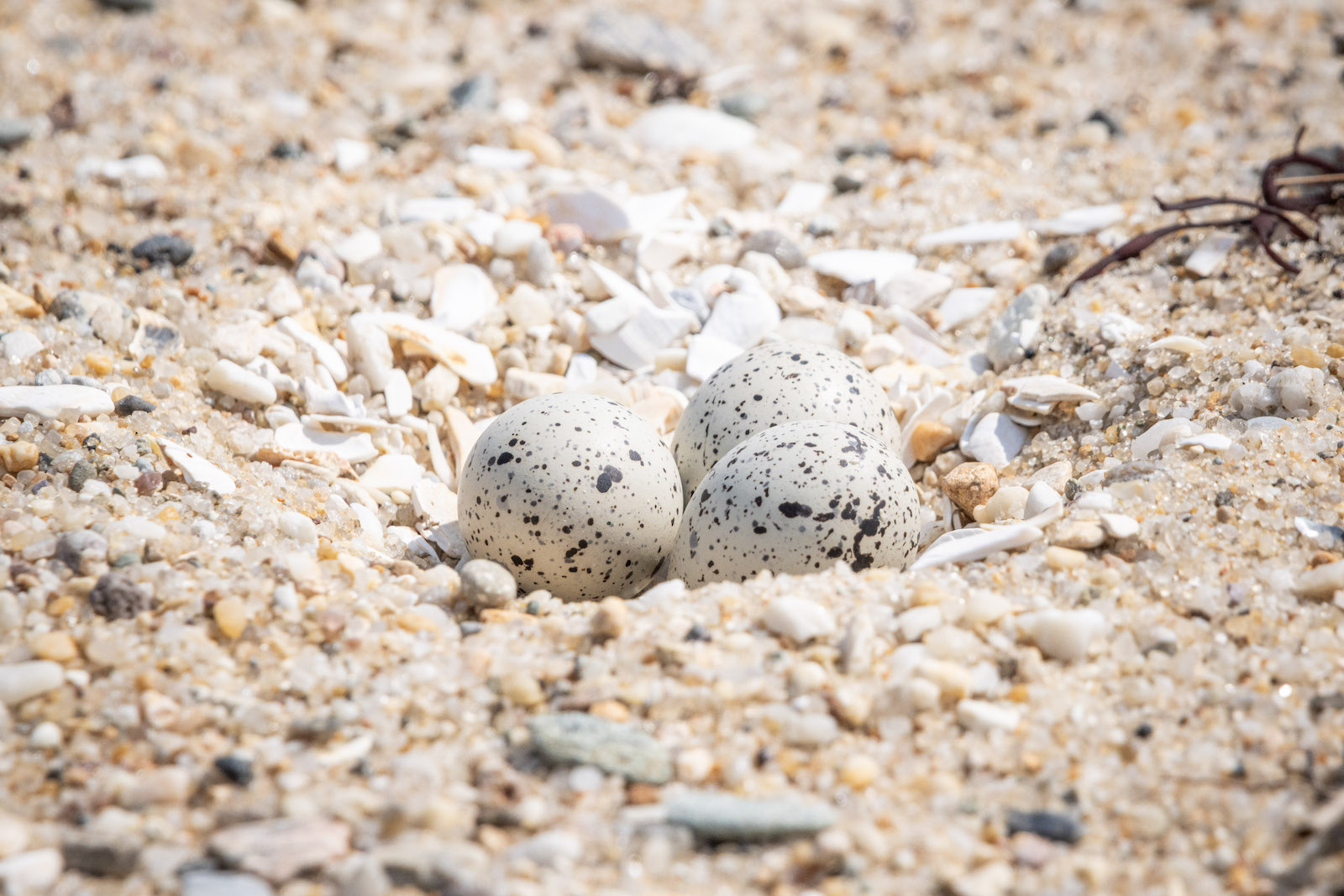
For decades, the degradation of critical habitat came under the definition of “harm” and was disallowed under the Endangered Species Act. But on July 10, the Department of Interior and Department of Commerce announced the finalization of new rules that rescinded the definition, meaning only an action that directly injures or kills a listed species would be prohibited. The new rules effectively do away with longtime enviromental protections, paving the way for species to come under threat through habitat loss.
The change has been concerning people who have been working to protect the species on the Cape and Islands. While Massachusetts still has some of the strongest local protections for endangered species, many of the animals that come to the Island are migratory and pass through other states that may not have as stringent regulations.
“Massachusetts takes species decline seriously and is being very protective as recovery goes on,” said Luanne Johnson, the executive director of BiodiversityWorks, a Vineyard-based conservation nonprofit. “But once that boulder starts rolling down the hill, it’s real hard to push it back up.”
The Vineyard has more than a dozen federally listed species that come ashore or pass through the area’s waters, including plovers, the critically endangered North Atlantic right whale, northern long-eared bat, roseate terns, and several species of sea turtles.
While those species will continue to be safeguarded in the commonwealth from habitat destruction, those overarching protections will now fall to each individual state they pass through on their migrations.
For the ocean-based animals, protections could grow even slimmer as they often travel outside of state’s jurisdictions during their migrations up and down the east coast.
“If you destroy their habitat, these species cannot thrive,” said Jessica Redfern, the associate vice president of ocean conservation science with the New England Aquarium in Boston.
She said that this could especially be hard on species that go to the Gulf area, where there has been historically lots of oil and gas drilling. Seismic surveys and other development needed for drilling can be harmful to whales and other species.
The Trump administration has said that the old definition of harm was outdated and interfered with private property rights; construction could be held up if there was a chance of harm to habitat, a frustration for developers.
“For years, federal agencies abused the ESA to obstruct lawful land use and burden American families and businesses,” Department of the Interior secretary Doug Burum said in a statement. “That approach turned routine activity into a regulatory trap, drove up costs that impacted people’s lives, and expanded federal authority beyond what Congress intended.”
It is one of the many steps the administration has taken to weaken environmental regulations and cut back on permitting. While some have cheered those efforts, the new changes to the Endangered Species Act have drawn litigation from groups such as the Conservation Law Foundation and the Center for Biological Diversity.
“This rule is an all-out assault on wildlife,” Erica Fuller, an attorney with the Conservation Law Foundation, said in a statement. “If we can’t stop habitat destruction and harm, we will watch wildlife go extinct; it’s that simple. This move by the Trump administration yet again ignores law and science and forces industry to navigate a new rule after 50 years of a reliable process.”
The lawsuit, filed in federal court in Seattle, claims that cutting the past definition of harm goes against the purpose of the Endangered Species Act and more than 50 years of policy.
Here in Massachusetts, destruction of habitat will still not be allowed under state law. For Lyra Brennan, the coastal waterbird director at Mass Audubon, that’s a blessing.
“We can still feel very lucky to have the state endangered species act,” she said.
Still local regulations will have to stand on their own, and likely will have to be enforced with less funding support from a federal government that has deemed habitat protection less of a priority.
Ms. Johnson with BiodiversityWorks said she has seen fewer and fewer grants and money come in from federal agencies. That money often directly pays for the work that states do.
“There are less dollars,” she said. “Agencies are being thinned out; there’s less staff.”
That will put more pressure on local groups outside of the government to provide protections, Ms. Johnson and Ms. Brennan said.
Many on the Vineyard are up for the task. Conservation agents keep a close eye on plover chicks and other endangered shorebird species, students have helped pitch in to build shelters for terns, and dunes have been restored to safeguard nests.
That work, along with the Endangered Species Act, has resulted in success stories. Conservationists pointed out that the number of nesting plover pairs on the Vineyard has grown from just 12 in 1992 to 104 last year.
“We’ve come so far, we’ve achieved so much in Massachusetts and on the Vineyard,” Ms. Brennan said. “The important thing is to hold that ground and not slide backgrounds.”





Comments
Comment policy »