
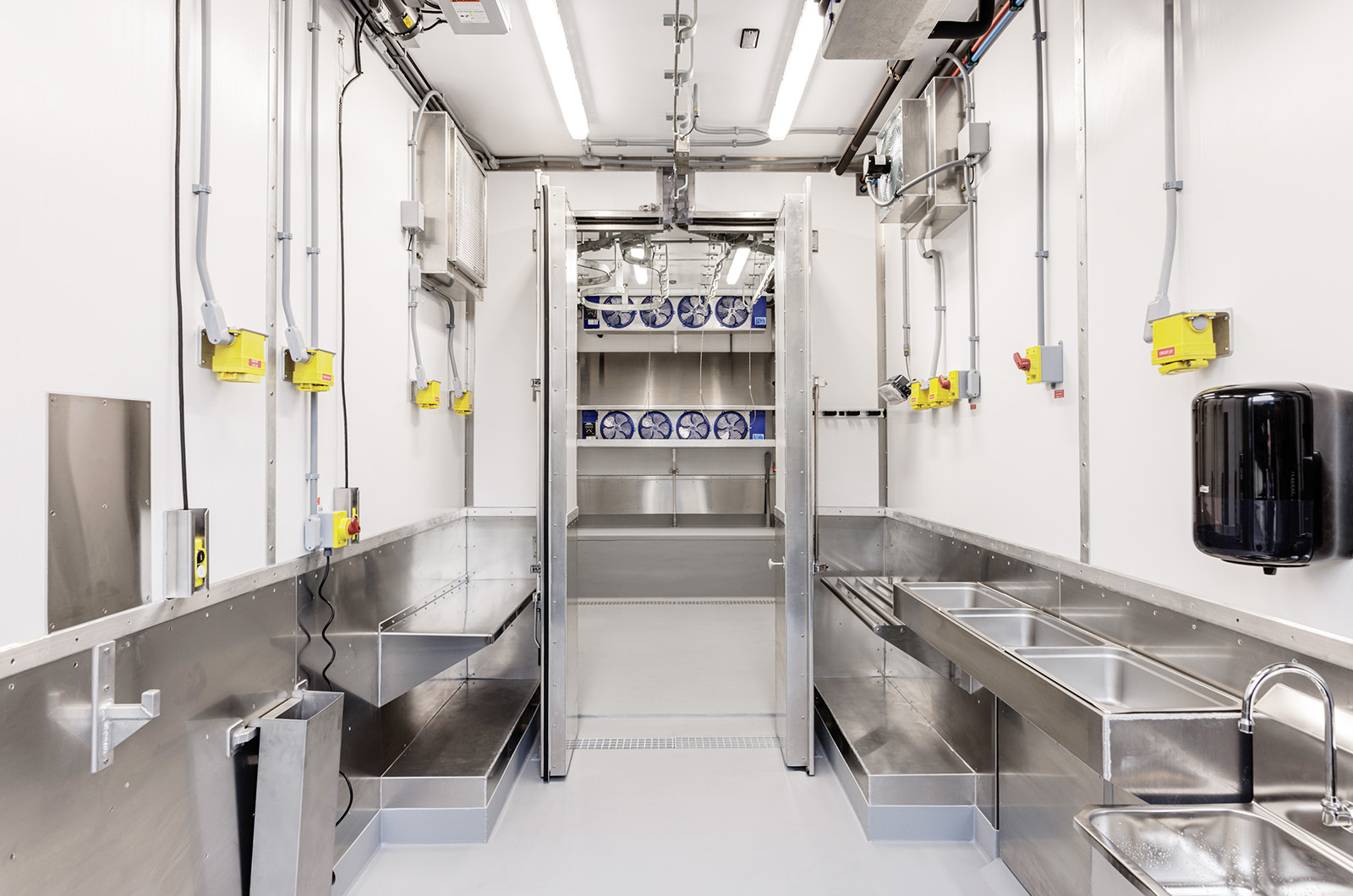
A new mobile venison processing and storage facility is set to open on the Vineyard this fall as the Island continues to grapple with an overwhelming deer population that is fueling the epidemic of tick-related illnesses.
Tick Free MV is sponsoring a temporary facility that will operate out of trailers on the Martha’s Vineyard Agricultural Society grounds, and the two organizations are aiming to open a permanent facility at some point in the future.
Tick Free MV, a nonprofit that formed last year, raised $1.5 million from donors to pay for four trailers that will be set up in October. One trailer will be for cold storage, another will have an office and a freezer, and two are specially built to handle butchering.
Leaders with Tick Free MV have said that increasing the Island’s capacity to process deer will be an important part of controlling the deer herd, and will enable a more robust year-round deer harvest.
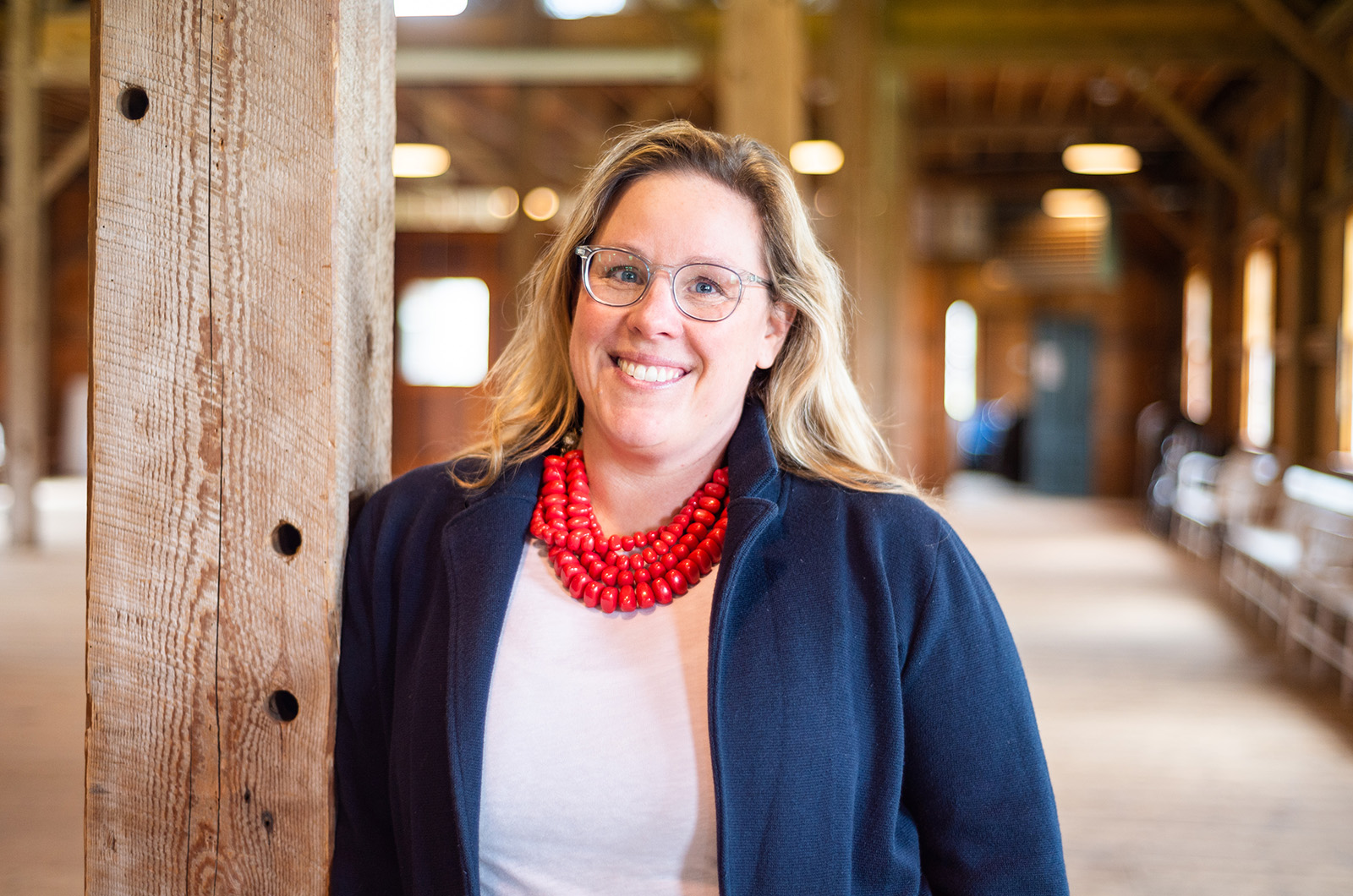
The trailers will act as a bridge to a permanent facility, said Agriclutral Society president Lauren Lynch.
“These trailers are temporary,” she said. “They will be parked out back near our solar array for this phase one temporary process while we work through the real details of what a phase two permanent structure is going to look like, but it has all of the capability to be able to break down deer into pieces for distribution.”
Tick Free MV’s goal is reducing ticks and tick-borne illness on the Island, and it has consistently linked this pursuit to reducing the Island’s population of white-tailed deer, which are the arachnids’ main reproductive hosts. A Tick Free MV drone survey conducted earlier this year found that the Island’s deer density is roughly 53 deer per square mile; the state’s recommended density is around 12 deer per square mile.
Venison butchered in the trailers will go exclusively to Hunters Share the Harvest, a statewide venison donation program modeled after an Island Grown Initiative program.
“While we’re addressing the tick crisis, we’re also addressing food insecurity, and it’s a piece of food systems infrastructure that can serve us in multiple ways,” said Viriginia Barbatti, executive director of Tick Free MV.
Ms. Barbatti and Ms. Lynch said they are working with the West Tisbury select board, board of health and planning board, as well as the Martha’s Vineyard Commission, to get the necessary permissions for the project and keep the town informed.
The two meat processing trailers are from Washington state-based company Friesla, which builds mobile and modular meat processing plants to encourage local butchering. Reece Lodder, head of sales and marketing at Friesla, said he’s been working with Tick Free MV for the past few months on the project.
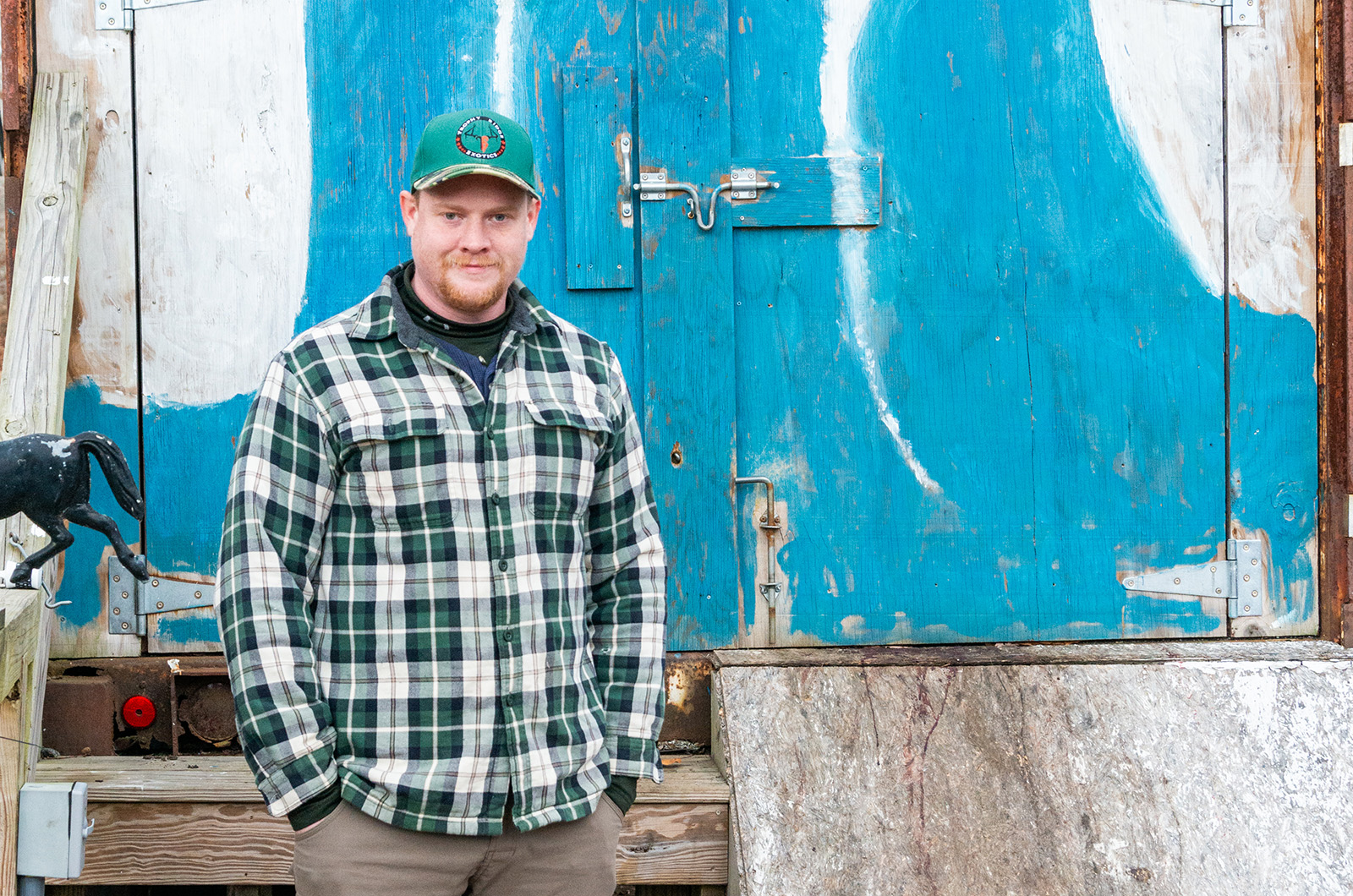
“We’re delivering beginning October, and then there’ll be some setup and installation commissioning on site,” Mr. Lodder told the Gazette. “We’ll have a couple of team members there for butcher training, going through basically operational training [for] running the unit and the harvest processes.”
Island tick biologist Patrick Roden-Reynolds will help run the first iteration of the facility this fall, with assistance from other Island butchers who will be trained by Friesla specialists.
“A bottleneck for deer hunting has been processing capacity,” Mr. Roden-Reynolds told the Gazette. “I think [the facility] is a great asset for the community.”
The facilities come amid the new use of deer damage permits on the Island. The permits open more areas to a year-round deer harvest by allowing agricultural producers to kill deer as pests on their properties. In order for deer damage permits to be issued, the region must have adequate meat processing power, meaning the new facilities are a key component of the initiative.
To open up as much land as possible to a year-round deer harvest through deer damage permits, Ms. Barbatti said Tick Free MV has started a working group with the Island’s largest conservation organizations to get them involved. Tick Free MV has also hired a new landowner and hunter engagement officer to help connect hunters with permit holders.
So far, the MV Hunt Club has been handling the processing of the year-round deer harvest in a facility it began expanding last year. Island Grown has been pitching in as well. And while the Agricultural Hall already has an on-site cold storage facility for deer, it is aging and doesn’t have the space or equipment for butchering. The existing facility will still be in use for cold storage this season.
Tick Free MV is still fundraising to cover the costs of a permanent facility. The layout and management model for the facility have yet to be decided. Ms. Barbatti said a cost estimate for phase two will become clearer as it moves along.
“This has all been happening quite quickly, and so the fact that we’ve been able to break it down in two phases has been great,” Ms. Barbatti said. “The long-term financial sustainability bit is a really important part.”
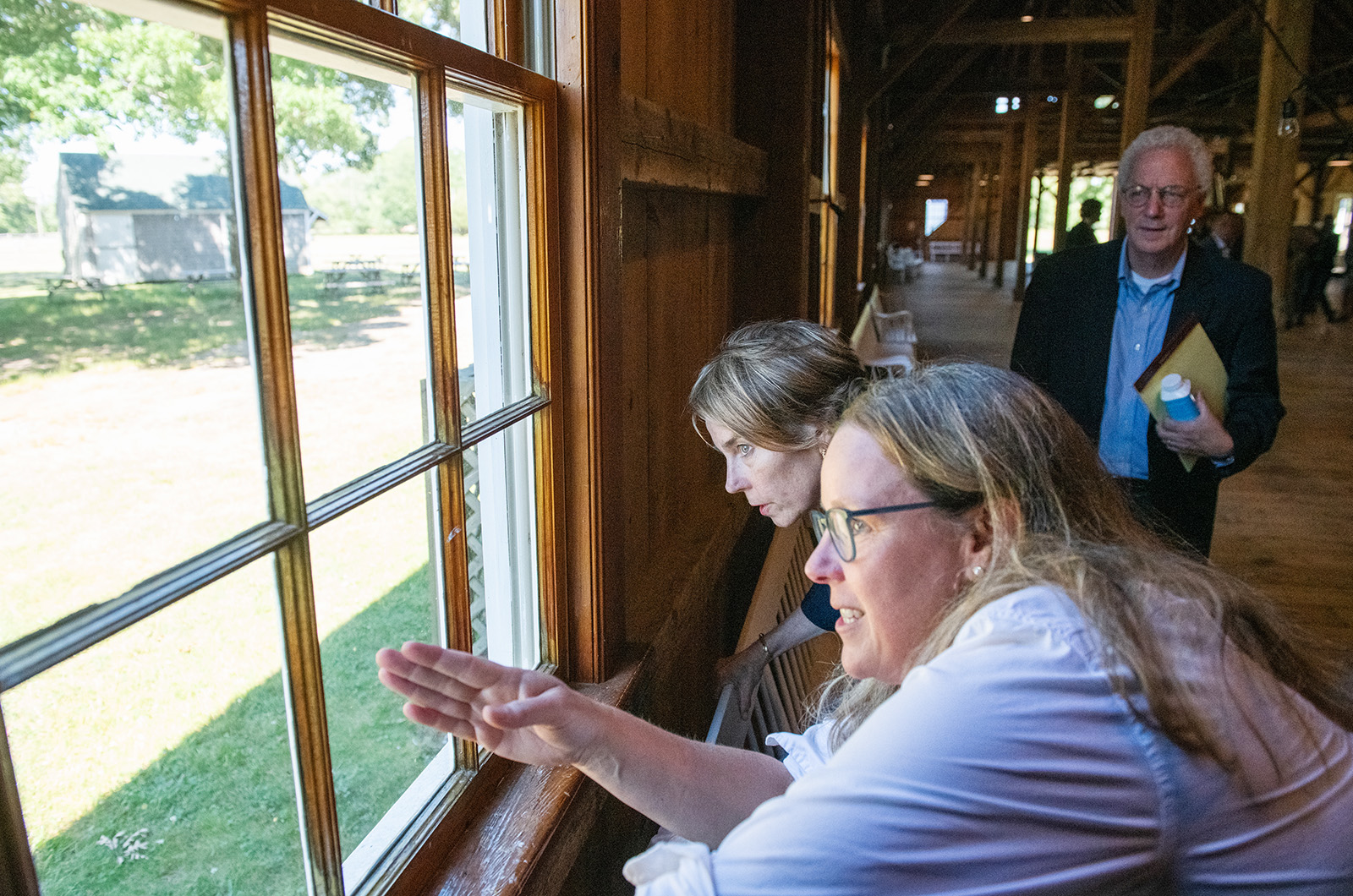
“We see this as a long-term, ongoing partnership [with Tick Free MV],” Ms. Lynch added.
In June, Gov. Maura Healey expressed support for increased deer processing capacity on the Vineyard during a round-table discussion with Island tick experts. She said the state is willing to offer the Island assistance in getting a permanent facility up and running.
“We’ve been keeping the governor’s administration updated on all of our progress, including on this processing capacity challenge on the Island,” Ms. Barbatti said. “We will stay in touch and engage the state for funding needs for phase two.”
Ms. Lynch said that the future permanent facility could also serve other purposes outside of venison processing, such as cold storage for other meats or flowers. From a deer and tick perspective, she said it’s an important development.
“I think this is a really exciting moment in the community’s history. where a lot of different organizations are coming together to address this serious public health need,” Ms. Lynch said.





Comments
Comment policy »