
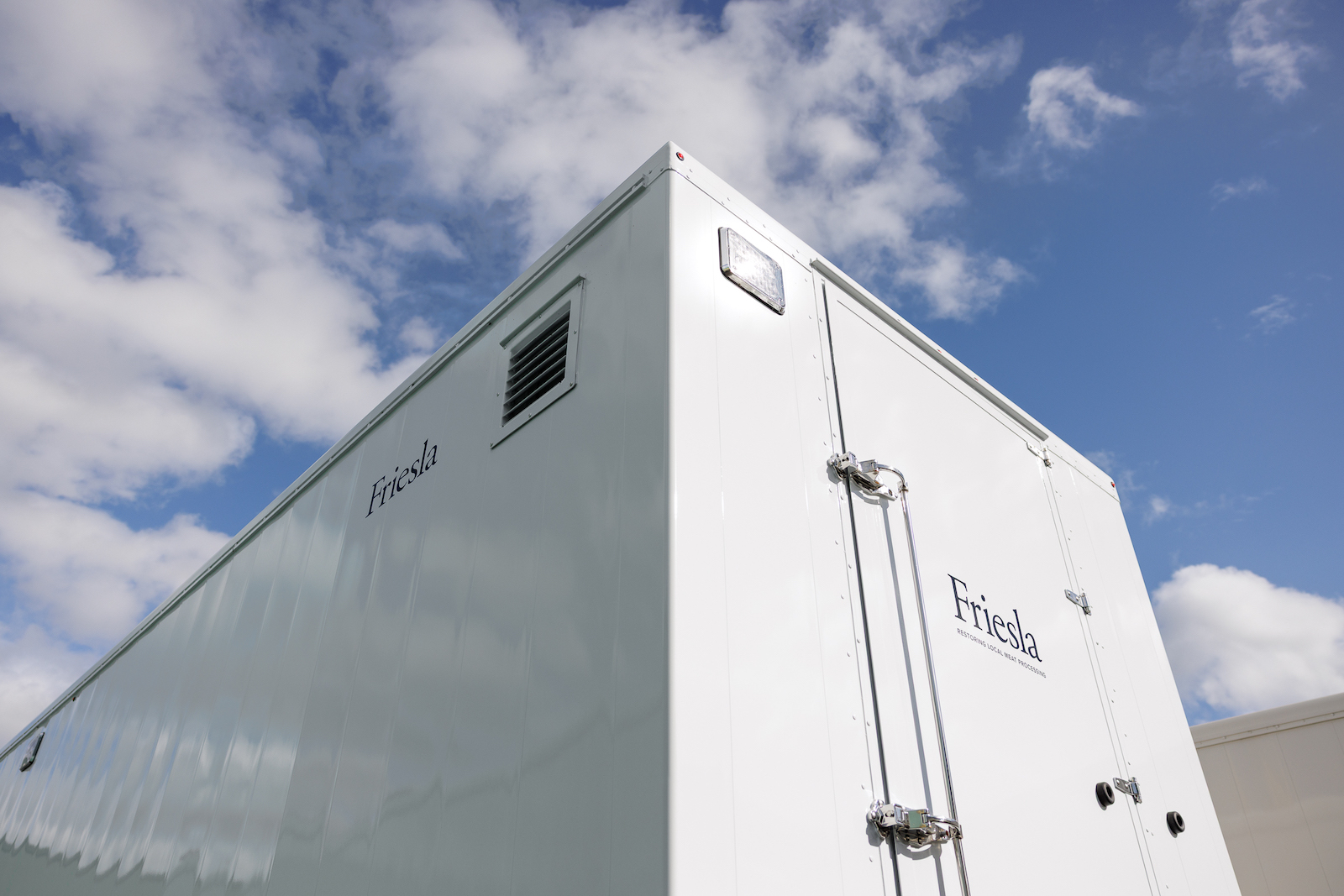
A new deer processing facility aimed at helping hunters cut down the Island’s high deer population received the green light from West Tisbury officials this week.
The town planning board unanimously voted Monday in favor of an application from the Martha’s Vineyard Agricultural Society to install new deer processing trailers at the Ag Hall grounds this fall. The Agricultural Society has teamed up with Tick Free MV in hopes to encourage more hunting, which will deprive ticks from their main food source.
Tick Free MV and Island tick experts have long pointed to the Vineyard’s overwhelming deer population as one of the drivers of high rates of tick-borne illnesses here. One of the bottlenecks has been a lack of places to butcher a deer.
“We’re trying to respond to a major public health challenge on Martha’s Vineyard, and that is driven by ticks in the environment, which has a strong relationship with the overpopulation of deer,” executive director of Tick Free MV Virginia Barbatti said. “We know we need more processing capacity on Martha’s Vineyard if we want to do responsible deer management.”
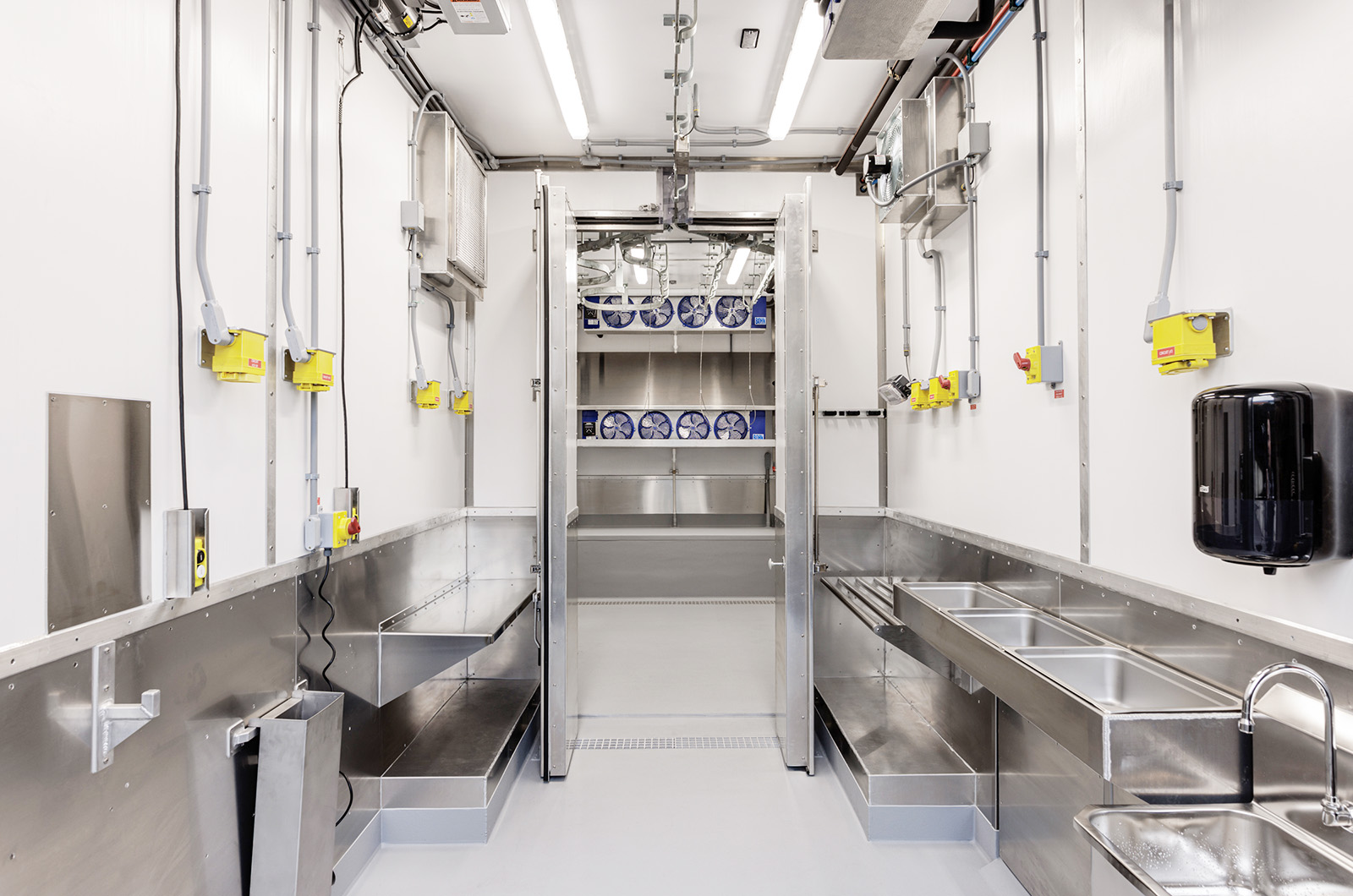
The new facility, which is the first phase of a larger plan, will consist of a 40-foot cooler trailer, two mobile meat processing units and a mobile office building near where the existing deer locker is on the Ag Hall grounds.
The Agricultural Society will work with hunters who want to donate their harvest to Hunters Share the Harvest, a statewide venison donation program that distributes donated venison to Island food pantries.
“Tick Free MV will be funding a hunter incentive again this year, for the second year, for the hunter to make those donations,” Ms. Barbatti said. “So we hope to see an increased number of donations…It’s $100 per buck and $150 per doe donated to the Hunters Share the Harvest Program.”
The facility will have the capacity to store 200 deer at a time, receive up to 100 deer in a day and butcher up to 40 deer per day.
“We expect there to be a ramp up over time on the volume of deer,” said Robert McCarron, the chair of the Martha’s Vineyard Agricultural Society board. “Last year, 3,000 pounds of venison was donated to the Island Grown Initiative and the food pantry, and the demand far exceeded the supply. We expect in this current year there to be roughly 100 to 150 deer donated through this processing facility.”
While 984 deer were harvested across the Island during the last hunting season, Mr. McCarron’s figures solely refer to this facility’s donated deer. The Agricultural Society expects many hunters to keep their own harvest, but hopes the processing facility will make it easier for those who want to donate to do so.
“These two trailers are designed to have the capacity to handle the peak harvest two, three years from now,” Mr. McCarron said. “We’re building it for the future. This first year, phase one, is for us to get used to the processing in the facility and to beta test this whole process so that when the larger harvests occur in the future, we’ll be ready to handle them in a responsible way.”
The Agricultural Society anticipates having a roster of 10 butchers on staff, who will receive specialized butcher training during the week of Oct. 19. The facility’s hours of operation will be from 8 a.m. to 11 p.m. seven days a week during hunting season, but there will be some variation depending on when deer come in.
“Since processing for the damage permits can occur out of season, that processing will be year-round as needed, not just during hunting season,” Patrick Roden-Reynolds, Island tick biologist said.
Deer damage permits are given out through a Massachusetts wildlife program for deer removal on agricultural and conservation land. Farmers and other eligible parties can apply for these permits to allow hunters to remove deer outside of the regular hunting season. Hunting season officially began on Sept. 21.

Before the board approved the project, board member Matt Merry proposed a condition that would address the late-night traffic coming and going from the facility.
“I recommend that if you’re going to work late, use the State Road entrance so that you’re not dumping lights,” Mr. Merry said. “People leaving at 11 o’clock at night shouldn’t be disturbing the neighbors.”
The board’s solution was to direct drivers into the property from the Panhandle Road and out onto State Road. The board plans to revisit the traffic pattern a year from now if complaints from neighbors arise.
“We do try to minimize negative impacts on neighbors, since this is something that we hope will be very busy, because we hope it’s bringing in a lot of deer for distribution,” Leah Smith, planning board chair, said.
With the application approved, the Agricultural Society plans to move forward with preparing the facility for the hunting season next month.
Many planning board members declared their support for the project before adjourning.
“I wanted to express my strong support for this project, and certainly for the folks at Tick Free MV and the Agricultural Society in trying to take some steps to address what is a very serious and very real public health problem here,” associate member of the board Cass Luskin said. “For what it’s worth, this certainly has my full support.”






Comments
Comment policy »