
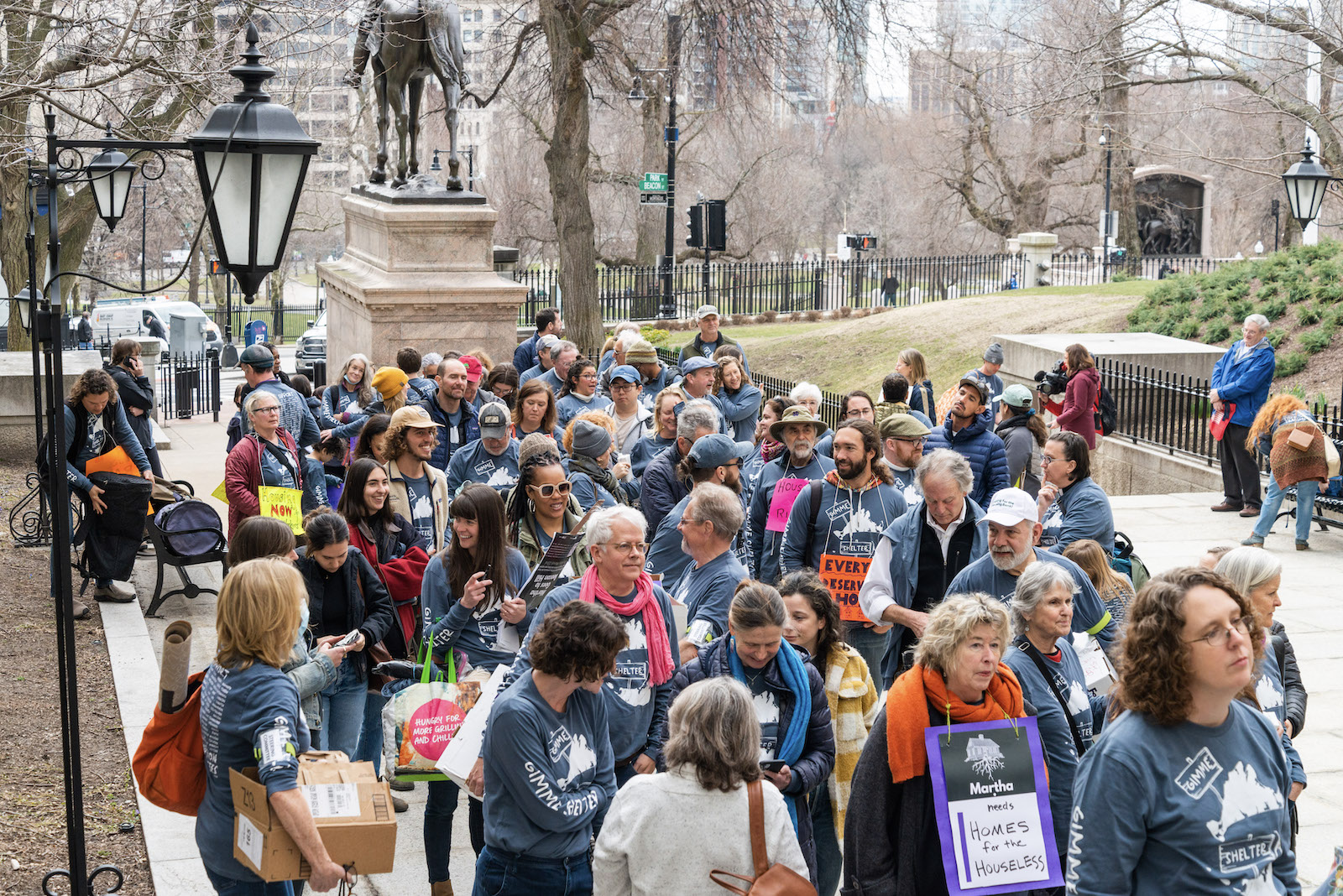
Attempts to get a reliable funding source for housing on Martha’s Vineyard fell short at the State House, meaning it will likely be at least two years before Islanders see a local transfer tax and housing bank.
The creation of the Martha’s Vineyard Housing Bank, which would be funded through a fee on high-end real estate transactions, has been a major priority for Vineyarders and the Island’s legislators.
But none of the bills that included provisions for the housing bank and transfer fee were approved before the latest legislative session wrapped up at the end of July. Islanders will now have to start efforts anew when lawmakers open the new session at the beginning of 2027.
“This is the end of the road for this session and we will have to try again in January,” said state Sen. Julian Cyr, one of the Island’s two representatives on Beacon Hill.
The median price of a home on Martha’s Vineyard in 2025 was $1.6 million, and each successive year brings more stories of people who have had to leave the Vineyard as prices continue to climb. Teachers commute from off-Island, police departments have seen officers take mainland jobs because of the cost of housing, and the people who do remain often see large portions of their salaries dedicated to keeping a roof over their heads.
In an attempt to remedy the housing crunch, Island voters petitioned the legislature for a transfer fee in 2022, and there have been many attempts to get the fee on the books in the years since. Gov. Maura Healey even threw her support behind a statewide fee in 2023, which would have allowed communities to institute a tax between .5 and 2 per cent on home sales over $1 million.
But the provisions have been met with resistance at the State House, and didn’t make it into the Affordable Homes Act that was passed in 2024.
While the Vineyard’s petitions continue to be considered by lawmakers, Mr. Cyr and the Vineyard’s state representative Thomas Moakley put forward new proposals to allow seasonal communities such as the Vineyard and Nantucket to implement transfer fees. They had hoped that the bill would find fewer opponents in the Greater Boston real estate lobby, but the measures were not included in the Mass Wins Act, which passed in July.
“We still face opposition from the statewide real estate lobby on any discussion of a transfer fee,” said Mr. Cyr.
The Vineyard’s legislators were disappointed that the transfer fee didn’t find success in this session, but said there are glimmers of hope moving forward.
The UMass Donahue Institute released a report in May that analyzed other resort communities that have a transfer fee. After looking at the Hamptons, the report suggested that the implementation of a fee would not meaningfully suppress sales of Martha’s Vineyard homes, and could inject $10 million annually toward housing efforts.
That will be important data to tout on Beacon Hill next year as lawmakers stump for the transfer fee, according to Mr. Moakley.
“I think that there actually are a lot of reasons to be optimistic about the future [of the transfer fee],” he said.
The Cape and Islands lawmakers are looking at new strategies that could improve traction in the coming year, and said that the bills that were proposed this session seemed to get farther than they did in the past.
”We’re exploring any and all options,” Mr. Cyr said. “Islanders can’t afford to wait any longer for year-round housing.”
John Abrams, a member of the Coalition to Create the Martha’s Vineyard Housing Bank, said he always expected that it would be hard to get the transfer fee across the finish line. Big changes often take time. For instance, the Community Preservation Act, which also allows towns to dedicate funding to housing and other projects, took 20 years to pass, he said.
“For us, this has always been a long haul,” Mr. Abrams said. “We will get this through the legislature. We just don’t know when.”






Comments
Comment policy »