For stakeholders in the Island’s economy — from food and hospitality to recreation — striking a balance between tick awareness and not spreading too much fear has become something of a highwire act.
The Island’s mounting tick-borne illness epidemic was highlighted by U.S. Secretary of Health and Human Services Robert F. Kennedy Jr. last week, as he announced new federal initiatives to combat Lyme disease and alpha-gal syndrome.
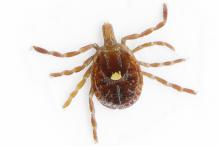
Gardeners, tick experts, town officials and companies that do the spraying have all said that the rise of the lone star tick on Martha’s Vineyard, paired with the already high levels of Lyme disease, have pushed more and more homeowners to turn to a variety of tick sprays.
Alpha-gal syndrome, the tick-borne allergy to mammalian food products, can turn a night out to dinner into a night at the hospital. With rates of the condition soaring on the Vineyard, both food service workers and customers are figuring out how to keep restaurant dining safe.
The Tick Center, set to launch next month through Martha’s Vineyard Medical, will bring a variety of health care and wellness providers under one roof to try to holistically conquer Lyme disease, alpha-gal syndrome and other conditions transmitted by ticks.
Alpha-gal syndrome cases on Martha’s Vineyard continued to rise in 2025, with the number of positive tests for the red meat allergy in the first 11 months of the year nearly totaling the last five years combined.
Thursday marked the official launch of Tick Free MV, an organization of concerned year-round and seasonal residents looking to improve public health on the Vineyard by reducing its tick population through various initiatives.
Researchers say that a New Jersey man’s death on the mainland last year is the first confirmed fatality caused by a tick-borne syndrome that has had a rapid rise on Martha’s Vineyard.