

An Aquinnah select board member and prominent business owner has filed for bankruptcy after she was sued for allegedly not paying a pair of former workers.
Juli Vanderhoop, the owner of Orange Peel Bakery, filed for bankruptcy in March. With those proceedings underway, the bakery, which was known for its idyllic roadside stand and outdoor pizza nights, is now closed, Ms. Vanderhoop’s attorney said last week.
“The bakery, when you file [for] Chapter 7, had to close down,” said attorney Eugene Johnson. “So Orange Peel is no longer viable. It’s not a working business at this point in time.”
As Ms. Vanderhoop’s bankruptcy filing continues in U.S. Bankruptcy Court, a battle over the money owed to the former employees is brewing. Former bakers Claire Depasquale and Chris Mueller filed an adversary case in the bankruptcy court, and have called on the court to ensure that Ms. Vanderhoop pays them back.
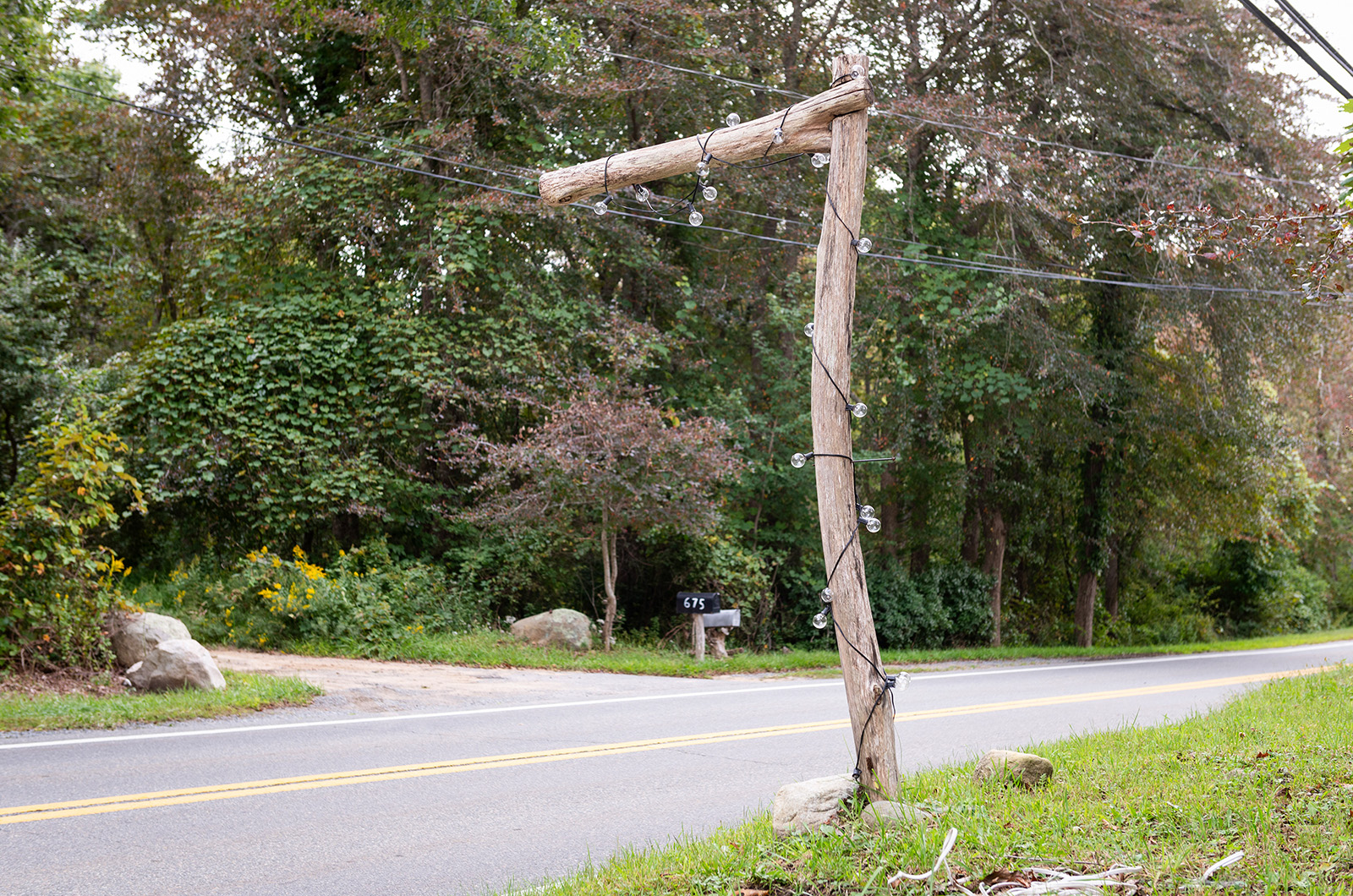
Ms. Vanderhoop, who opened the bakery in 2006, and Matthew Patton, the attorney for the former employees, did not respond to requests for comment.
The legal fights around Orange Peel started in 2024, when Ms. Depasquale and Mr. Mueller filed a lawsuit in U.S. District Court, claiming they were not given full payment for their work during the summer of 2023.
In the immediate aftermath of the filing, Ms. Vanderhoop told the Gazette the wage dispute was an oversight that arose when the business was being converted into a limited liability company and its bookkeeper was sick.
At the time, she reckoned the issue could be resolved quickly, but Ms. Vanderhoop’s attorney said that the former workers made false claims in their complaint, spurring Ms. Vanderhoop to file a counterclaim and move for a trial.
The workers claimed they were often paid late, not paid overtime when working in excess of 40 hours, and were not given tips when wages were paid.
“The failure of an employer to pay employees their earned tips and overtime wages can be devastating for seasonal workers,” the bakers’ attorney said in a statement at the time.
Mr. Johnson argued that the pair were salaried workers, meaning they weren’t eligible for overtime, and that they didn’t help customers at the self-service baking stand, meaning there were no tips to be distributed. Furthermore, Ms. Vanderhoop did not handle the tips — that was left for the workers at the stand to distribute, according to her counterclaim.
By November 2025, the parties appeared to be reaching a settlement in the wage lawsuit. Both Ms. Vanderhoop and the former employees asked that the district court case be paused as they worked out the final details of the agreement.
According to court transcripts from a Nov. 5 hearing, the two parties told the U.S. District Court in Boston that they had agreed to a $95,000 settlement, which would be paid out by Ms. Vanderhoop over nine installments and cover the wages and legal fees.
But by the start of 2026, there were disagreements on whether a final settlement had actually been reached. Mr. Johnson argued that the parties had agreed to terms in principle, but never memorialized the terms of the settlement in writing, according to court documents.
Mr. Johnson wrote that the settlement was agreed to in court by “mutual mistake” and argued that the legal fees and the settlement were much too high, and based on false claims around the tips and overtime payments.
In a January report, U.S. Magistrate Judge Paul Levenson produced the hearing transcript in which both Mr. Johnson and Ms. Vanderhoop explicitly agreed to the terms of the $95,000 in open court.
In the transcript, the judge asked Ms. Vanderhoop if she agreed to be bound by the terms, to which she responded yes. Given the response, Judge Levenson recommended that Ms. Vanderhoop’s motion for a trial be denied.
“Defendants do not provide any support for their argument, which appears preposterous on its face,” the judge wrote.
In response, Ms. Vanderhoop’s attorney argued that Judge Levenson was biased, and that his client wanted to litigate the damages related to alleged false claims by the former employees.
“[Judge Levenson’s] hostility to Defendant’s counsel was palpable and grew throughout the hearing. Instead of being a neutral arbiter of the facts, he presented himself as second counsel for the Plaintiffs,” Mr. Johnson wrote.
Mr. Johnson also noted that Ms. Vanderhoop is an elder member of the Wampanoag Tribe of Gay Head (Aquinnah), which is one of the many tribes that have faced disenfranchisement by the government.
“As the trial date grew closer, that anxiety intensified then turned to fear, knowing how the courts have treated indigenous people in the past, the fear grew to an unbearable level,” Mr. Johnson wrote.
“The human response to fear is fight or flight,” he continued. “She chose flight as it seemed the easiest way out, to avoid the situation causing the fear.”
Mr. Johnson claimed Judge Levenson was denying Ms. Vanderhoop the opportunity to have a fair trial, and the right to defend herself from the allegations of unpaid overtime and withheld tips.
Another judge was brought in to consider the objections, and in February that judge sided with the former employees.
Judge Alice Burroughs ruled there was no legal basis to void the oral settlement from the hearing, and because there was a settlement, there was not a trial to be had.
“The Court does not dispute the history to which Defendants refer or the anxiety that can accompany a trial; it recognizes the legal system can be confusing and intimidating to those without legal training,” Judge Burroughs wrote. “That said, these things are not grounds for undoing a valid settlement.”
Less than a month later, Ms. Vanderhoop filed for bankruptcy because she couldn’t afford to pay the settlement, according to Mr. Johnson.
“Once we filed in bankruptcy court, the district court cannot do anything with this claim,” he said in an interview. “When we settle this matter in the bankruptcy court, that will go away. It has to. It’s the law.”
In August, Ms. Depasquale and Mr. Mueller filed a complaint with the bankruptcy court, claiming that Ms. Vanderhoop entered into the settlement agreement under false pretenses, with no intention of paying it, solely to avoid trial and an impending judgement against her.
They called on the court to not allow the debt to be discharged during the bankruptcy.
Mr. Johnson said that the settlement cannot be both valid in the eyes of the former employees and fraudulent. He also noted that the district court in the wage case reinforced the settlement’s validity.
A hearing on the former employees bankruptcy complaint has not yet been scheduled by the court, and the future for Ms. Vanderhoop is up in the air. On Sept. 9, Orange Peel Bakery went to social media to say the bake shack had closed for the season, and something new was in store.
In his interview with the Gazette, Mr. Johnson said catering was an option.
“Bankruptcy does not prevent somebody from earning a living,” he said. “Because she owned all the equipment that was exempted from liquidation, she can bake goods, but she can’t bake under the auspices of Orange Peel Bakery. So I suspect she may, because she was doing catering and other events, she’s probably going to do that to sustain herself.”
But Orange Peel in its past iteration is over.
“Orange Peel Bakery no longer exists,” Mr. Johnson said.






Comments
Comment policy »